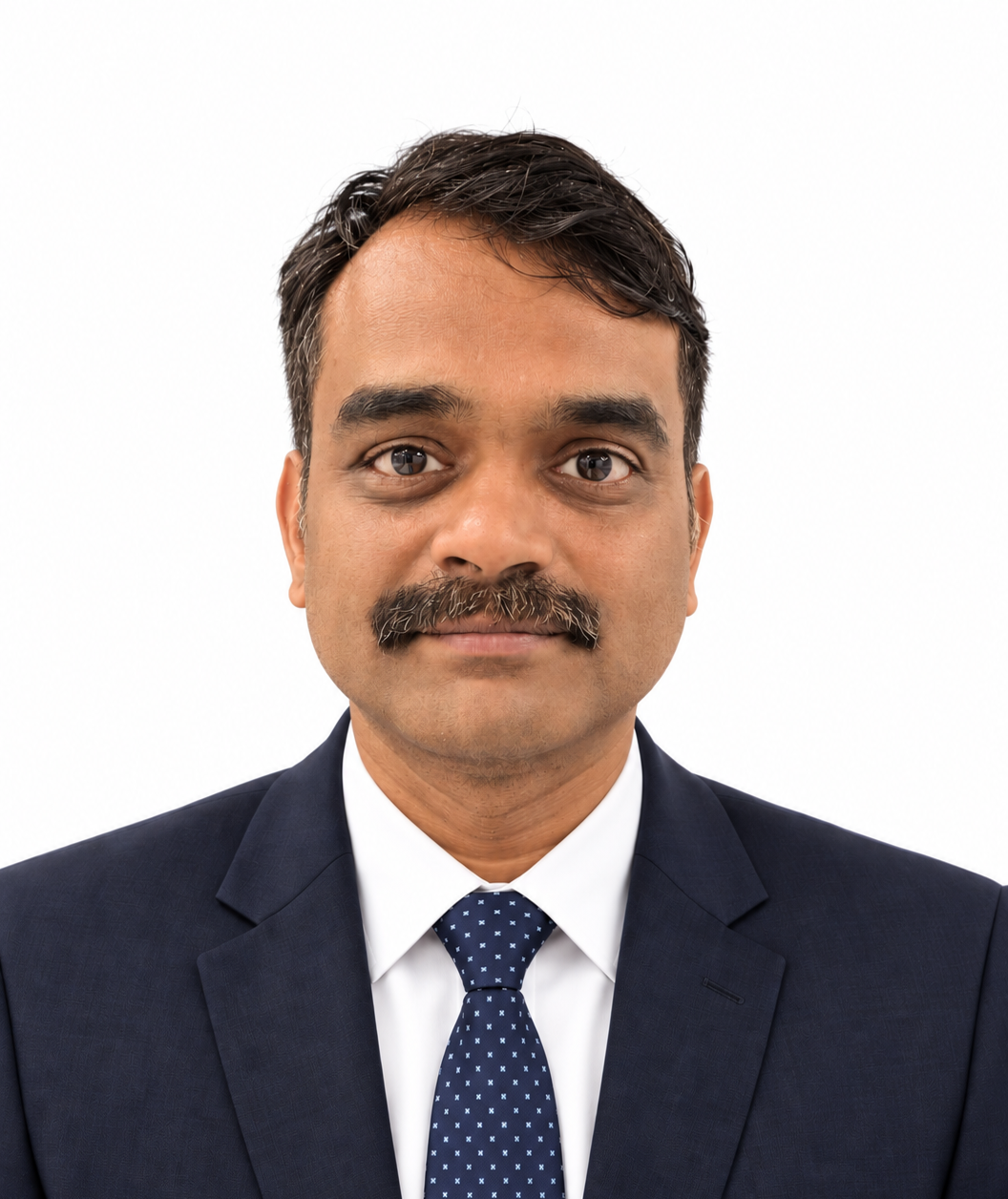

Bipin Shete
Regional Business Advisory Partner
.jpg?width=720&height=1280&ext=.jpg)
Environmental, Social and Governance (ESG) is no longer simply a reputational initiative. In Oman, ESG is increasingly linked to capital access, regulatory credibility and long-term value creation under Oman Vision 2040.
BDO Oman provides ESG strategy and roadmap development, reporting and disclosures, independent assurance, deal advisory and capacity building to help organisations meet regulatory expectations and build long-term stakeholder value. A team of 12 senior-level sustainability consultants supports clients across banking, financial services, oil and gas, aluminium, steel, power and real estate.
We view ESG as an opportunity, not only a compliance exercise. With almost 50 years of experience in the Omani market since our establishment in 1976, BDO Oman combines deep local regulatory knowledge with international ESG expertise. We help organisations strengthen competitive advantage, build investor confidence and respond effectively to the expectations of the Financial Services Authority (FSA), the Muscat Stock Exchange (MSX), lenders and other stakeholders.
We provide a comprehensive range of ESG solutions tailored to an organisation's level of maturity, from initial strategy and framework development through to reporting, transaction support and capacity building. Our team brings extensive cross-industry experience supporting ESG initiatives across sectors including banking, financial services, insurance, oil and gas, real estate, hospitality, healthcare, automotive, logistics and retail.
An effective ESG strategy allows organisations to achieve their desired short, medium and long term ESG goals through a systematic roadmap, built on a clear understanding of what matters most to the business and its stakeholders.
BDO Oman helps you to:
ESG reporting is a systematic tool for organisations to disclose their ESG vision, commitments, strategies and performance to a wide range of stakeholders. It builds trust and strengthens reputation, but requires significant stakeholder engagement and reliable data collection across multiple sites to produce accurate, credible reports.
BDO Oman helps you to:
ESG is increasingly a factor in deal value, risk and investor confidence. Whether raising capital, acquiring a target or preparing for a public listing on the Muscat Stock Exchange, organisations and investors need ESG due diligence that identifies risk and value creation opportunities before terms are set.
BDO Oman helps you to:
ESG only becomes embedded when it is understood and owned across the organisation, rather than held within a single function. Capacity building equips the Board, senior management and operational teams with the knowledge and practical skills needed to make ESG part of everyday decision making.
BDO Oman helps you to:
Materiality assessment identifies the ESG topics that matter most to your business and its stakeholders, forming the foundation for a credible ESG strategy and reporting process.
BDO Oman helps you to:
.jpg)
.jpg)
From first strategy to independent assurance, our team meets you at the right stage.